
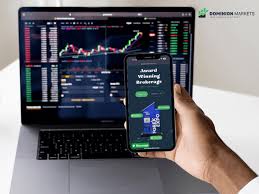
Online forex trading has become an essential part of the global financial landscape. With the rise of technology and the Internet, traders from all around the world now have access to the foreign exchange market like never before. Whether you’re a seasoned trader or just starting, understanding the nuances of forex trading is crucial. This guide will provide insight into the key aspects of online forex trading, helping you make informed decisions and successfully navigate the market. Additionally, for traders in the region, online forex trading South Africa Brokers offer various platforms tailored to your needs, ensuring you have the best tools at your disposal.
Forex trading involves the buying and selling of currency pairs, with the goal of making a profit from fluctuations in exchange rates. The forex market is the largest financial market in the world, with a daily trading volume exceeding $6 trillion. This immense liquidity means traders can enter and exit positions with ease. However, the forex market is also highly volatile, presenting both opportunities and risks. Understanding market dynamics, fundamental analysis, and technical analysis are vital for success.
The Basics of Forex Trading
The fundamentals of forex trading center around currency pairs. A currency pair consists of a base currency and a quote currency. The value of the pair reflects how much of the quote currency is needed to purchase one unit of the base currency. For instance, in the EUR/USD pair, if the exchange rate is 1.20, it means you need 1.20 US dollars to buy one euro.
There are various types of currency pairs, including major, minor, and exotic pairs. Major pairs involve the most traded currencies, such as the US dollar (USD), euro (EUR), and Japanese yen (JPY). Minor pairs consist of currencies that aren’t as commonly traded, while exotic pairs feature a major currency paired with a currency from a developing economy. Understanding the types of currency pairs can help traders develop strategies that align with their trading goals.
How to Start Trading Forex
To get started with online forex trading, one must take several steps:
- Educate Yourself: Before diving into trading, it’s essential to understand the market structure, trading strategies, and the economic factors that influence currency movements.
- Choose a Reliable Broker: Selecting the right forex broker is crucial. Look for brokers with good reputations, low spreads, and robust trading platforms. Reviews and ratings can provide valuable insights.
- Open a Trading Account: Create a trading account with your chosen broker. Many brokers offer demo accounts to practice before trading with real money.
- Develop a Trading Plan: A trading plan outlines your trading strategies, risk management rules, and trading goals. A well-thought-out plan helps control emotions and maintain discipline.
- Start Trading: Once you are comfortable with your knowledge and trading platform, begin trading on a demo account before moving on to a live account.

Understanding Forex Analysis
To make informed trading decisions, traders use two main types of analysis: fundamental and technical analysis.
Fundamental Analysis
Fundamental analysis involves evaluating economic indicators, central bank announcements, political events, and other factors affecting currency values. Traders often pay close attention to indicators such as interest rates, inflation rates, employment data, and GDP growth. By assessing these factors, traders can gauge the economic health of a country and predict potential currency movement.
Technical Analysis
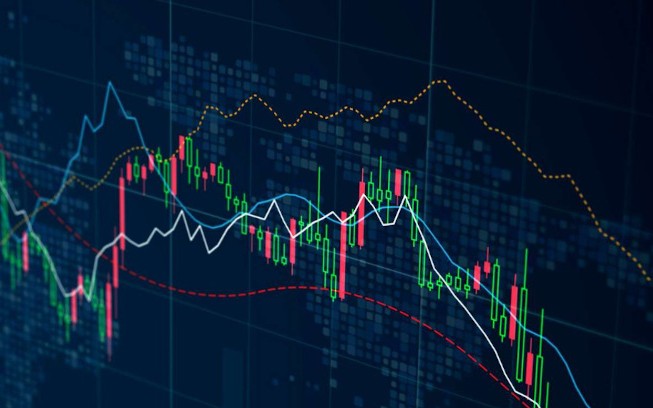
Technical analysis, on the other hand, focuses on price action and chart patterns. Traders use various tools, such as trend lines, moving averages, and technical indicators (e.g., RSI, MACD) to identify potential entry and exit points. Understanding chart patterns like head and shoulders, double tops, and support and resistance levels can provide valuable insights into market trends.
Risk Management in Forex Trading
Effective risk management is crucial for long-term success in forex trading. Traders should only risk a small percentage of their trading capital on each trade, typically 1-2%. Setting stop-loss and take-profit orders can help manage potential losses and lock in profits. Additionally, keeping emotions in check and avoiding overtrading is vital to maintaining a disciplined approach.
Developing a Trading Strategy
Having a well-defined trading strategy can help traders navigate the complexities of the forex market. There are various strategies traders can utilize, including:
- Scalping: A short-term trading strategy that involves making numerous trades throughout the day to capitalize on small price movements.
- Day Trading: Traders open and close positions within the same trading day, typically avoiding overnight risk.
- Swing Trading: This strategy involves holding positions for several days or weeks, aiming to profit from larger price movements.
- Position Trading: A long-term strategy focusing on fundamental analysis, where traders hold positions for weeks, months, or even years.
Online Forex Trading Tools
Utilizing the right tools can enhance your trading experience. Many brokers offer features such as trading platforms, charting software, and financial news feeds. MetaTrader 4 and 5 are popular trading platforms known for their user-friendly interface and robust analytical tools. Additionally, economic calendars and news aggregators can help traders stay informed about market-moving events.
The Psychology of Trading
Understanding the psychological aspects of trading is just as important as mastering technical and fundamental analysis. Trading can be emotionally taxing, often leading to impulsive decisions. To minimize emotional impact, traders should stick to their trading plans and avoid making hasty decisions based on fear or greed. Keeping a trading journal can also help track emotions and learn from past mistakes.
Final Thoughts
Online forex trading offers vast opportunities for those ready to learn and adapt. By understanding the market dynamics, employing effective risk management strategies, and continuously educating themselves, traders can increase their chances of success. Whether you are trading in South Africa or elsewhere, investing in reliable tools and resources, like South Africa Brokers, can provide the support needed on your trading journey. Remember, consistency and discipline are key to thriving in the highly competitive world of forex trading.


