
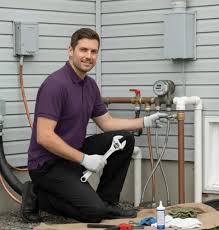
Comprehensive Guide to Water Heater Repair: Tips and Techniques
Water heaters are essential appliances in any home, providing hot water for daily activities such as bathing, cooking, and cleaning. However, like any mechanical device, they can encounter issues over time. Understanding the common problems associated with water heaters can help homeowners tackle repairs efficiently and effectively. This guide will explore techniques, tips, and resources for water heater repair, including when to call in the professionals. For professional assistance, you can find more information at water heater repair https://plumbingserviceslondon.ca/water-heater-services.
Types of Water Heaters
Before delving into repair techniques, it’s important to understand the different types of water heaters available:
- Tank Water Heaters: These are the most common type, storing water in a large tank that is heated either by gas or electricity.
- Tankless Water Heaters: Also known as on-demand water heaters, these units heat water directly without a storage tank, providing a continuous supply of hot water.
- Heat Pump Water Heaters: These units use electricity to move heat from the air or ground to heat water, making them energy-efficient options.
- Solar Water Heaters: Utilizing solar panels, these systems harness sunlight to heat water, reducing electricity costs.
Common Issues with Water Heaters
Although water heaters are generally durable, several problems can arise:
- No Hot Water: This may be due to a faulty thermostat or heating element.
- Leaks: Leaks can occur due to corrosion, damaged valves, or loose fittings.
- Strange Noises: Banging, popping, or rumbling sounds often indicate sediment buildup inside the tank.
- Discolored Water: This usually signifies rust or corrosion within the tank.
- Odor Issues: A foul smell could be a sign of bacteria or degraded sacrificial anode rods.
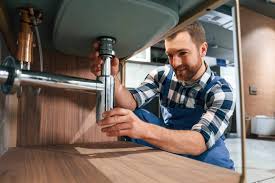
Basic Troubleshooting Steps
Before calling a professional, try some simple troubleshooting steps:
1. Check the Power Supply
If your water heater isn’t working, first check if it is receiving power. For electric units, check the circuit breaker or fuse. For gas units, ensure that the gas valve is open.
2. Inspect the Thermostat
Make sure the thermostat is set to the desired temperature (usually between 120°F and 140°F). Adjust if necessary.
3. Look for Leaks
Inspect the water connections for leaks. Tighten any loose fittings, but be cautious not to overtighten them.
4. Flush the Tank

If you hear strange noises coming from the tank or see discolored water, consider flushing the tank to remove sediment buildup. Turn off the power supply or gas, attach a hose to the drain valve, and let the sediment drain out. Remember to refill the tank and turn the power back on before use.
When to Call a Professional
While DIY repair techniques can help in many situations, there are cases when you should call a professional:
- If you are uncomfortable with electrical or gas repairs.
- If the water heater is leaking significantly.
- If repairs do not resolve the problem after troubleshooting.
- If the unit is old and requires significant repairs.
Preventive Maintenance Tips
Preventive maintenance can extend the life of your water heater:
- Regular Flushing: Flushing the tank annually helps prevent sediment buildup.
- Checking the Anode Rod: Inspect the anode rod every couple of years and replace it if it’s heavily corroded.
- Insulating the Tank: Insulating your water heater helps improve efficiency and reduce energy costs.
- Monitoring Temperature Settings: Ensure the thermostat is set appropriately to balance comfort and efficiency.
Conclusion
Water heater repairs can often be handled with some basic knowledge and troubleshooting techniques. Understanding how your water heater works and recognizing the signs of common issues can make maintenance easier. However, don’t hesitate to reach out to professionals when necessary to ensure the safety and efficiency of your home’s hot water system. Proper maintenance and timely repairs can keep your water heater running smoothly for years to come.


