
The Role of Interpol in Issuing International Arrest Warrants
Interpol, the International Criminal Police Organization, plays a vital role in global law enforcement. One of its significant functions is the issuance of international arrest warrants. These warrants facilitate the collaboration between countries in apprehending fugitives who evade justice across borders. A clearer understanding of how Interpol operates and the legal implications of international arrest warrants is crucial for both law enforcement agencies and the general public. In this exploration, we will analyze Interpol and international arrest warrant processes, their significance, and their limitations.
Understanding Interpol
Founded in 1923, Interpol is the world’s largest international police organization, with 195 member countries. Its mission is to facilitate international police cooperation and combat transnational crime. Interpol provides a range of services, including databases for sharing crucial criminal information, operational support for investigations, and various legal resources to streamline collaboration among member nations. Despite its influential role, it is essential to recognize that Interpol itself does not have the authority to make arrests; it serves as a conduit for information sharing and coordination.

International Arrest Warrants Explained
An international arrest warrant is a legal document issued by law enforcement authorities to seek the detention of an individual who is accused of committing a crime and has fled the jurisdiction where the crime occurred. This type of warrant is particularly important in situations where a suspect crosses international borders to avoid prosecution. The use of international arrest warrants is governed by various international treaties and agreements, which stipulate how and when these warrants can be executed.
The Role of Interpol in Issuing Arrest Warrants
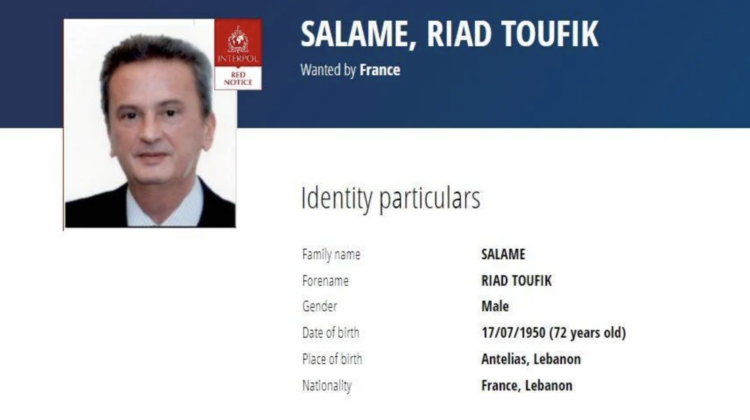
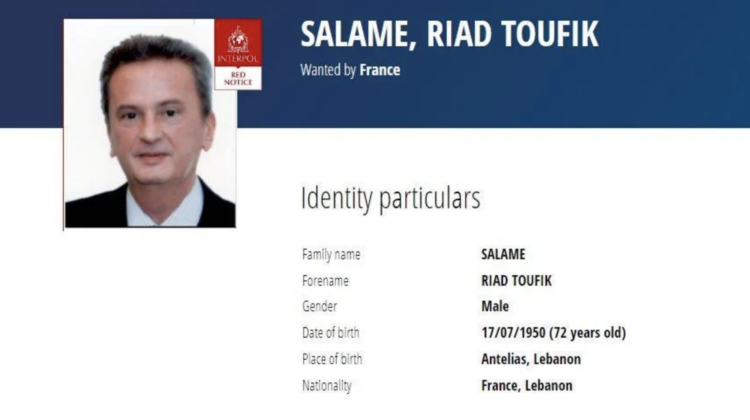
Interpol primarily acts as a facilitator in the issuance of international arrest warrants. When a member country issues a request for the arrest of an individual, Interpol can help disseminate this information through its global database, known as the “Red Notice.” A Red Notice is not an international arrest warrant but a request to law enforcement agencies worldwide to locate and provisionally arrest the wanted person pending extradition. The decision to arrest rests with the individual countries, as they are not legally obliged to comply with a Red Notice.
Types of Interpol Notices
Interpol issues several types of notices, which serve different purposes in international policing:
- Red Notice: Requests the location and detention of a wanted person; it is not an arrest warrant.
- Blue Notice: Collects additional information about a person’s identity or activities in relation to a crime.
- Green Notice: Warns about a person’s criminal activities when it poses a potential threat to public safety.
- Black Notice: Seeks information on unidentified bodies.
The Legal Framework for International Arrest Warrants
The legal basis for international arrest warrants lies in treaties such as the United Nations Convention against Transnational Organized Crime and various bilateral extradition treaties. These agreements define the conditions under which countries can request and execute warrants. Countries may refuse to honor a request based on various grounds, including lack of dual criminality (the principle that an act must be a crime in both jurisdictions) or political motivations behind the charges.
Challenges and Limitations
While Interpol’s Red Notices provide a framework for international cooperation, there are inherent challenges and limitations. One significant challenge is the political abuse of Red Notices. Some countries have been accused of using Interpol notices to target political dissidents or opponents. As a result, Interpol has put in place measures to review requests for compliance with its rules and regulations concerning human rights.

Another limitation is the varying legal standards among member countries. The enforcement of a Red Notice depends on the local laws and the willingness of a state to detain the suspect. This inconsistency can lead to discrepancies in how international fugitives are treated, making it crucial for legal entities to understand these differences.
The Extradition Process
Once a suspect is located following a Red Notice, the extradition process begins. The arrested individual can contest the extradition in court, and the final decision lies with the judicial system of the country where the arrest took place. Extradition proceedings can be protracted and complex, often involving diplomatic negotiations between countries.
Recent Developments in Interpol Regulations
In response to concerns over the misuse of arrest warrants, Interpol has taken steps to enhance its oversight of notice requests. The introduction of an independent commission to review notices and assess their compliance with human rights standards represents a significant development. This move aims to bolster the integrity of Interpol’s processes and ensure that Red Notices are used appropriately.
Conclusion
Interpol serves as a crucial link in the international law enforcement chain, providing the framework for collaboration and information sharing among member countries. While international arrest warrants—primarily conveyed through Red Notices—offer the potential for apprehending fugitives, they are not without challenges. The complexities surrounding political abuse, legal discrepancies, and the extradition process necessitate a careful and informed approach to international justice. As global crime continues to evolve, the role of Interpol and its mechanisms for issuing international arrest warrants will remain critical in maintaining the rule of law across borders.


